
advertisement
More than 70% of U.S. adults now use a smartphone daily. This single device is at the center of many small improvements that add up to big benefits.
Everyday innovation is about small tools and services that save time and reduce stress. They also help cut down energy use. For example, Amazon Echo and Google Nest speakers are common in suburban homes. Telehealth visits are now covered under Medicare expansions, showing how innovation is becoming part of our daily lives.
These small changes make a big difference. They lead to faster commutes, smarter thermostats that save money, and wellness apps that encourage healthy habits. The rise in smart speaker use, telehealth, and downloads of productivity and wellness apps shows this impact.
In the sections ahead, we’ll look at smart homes, wearables, mobile apps, online learning, telehealth, transportation, payment tech, social platforms, sustainability tools, and personal finance solutions. Each example will highlight how small ideas from companies and users lead to significant improvements in our quality of life.
The Essence of Everyday Innovation
Everyday innovation is about small, practical changes that make life easier. It’s about making routines smoother and reducing stress. This section explores what everyday innovation is, gives examples, and shows how small changes can improve sleep, safety, and time management.
An innovation mindset helps people find simple solutions. Companies with an innovation culture turn these ideas into tools that everyone can use.

Defining everyday innovation
Everyday innovation means small, easy-to-use technologies and process changes. It’s about solving everyday problems, like automation and personalization. It’s not about big breakthroughs but about making small, steady improvements.
Examples in daily life
Here are some examples. Voice-activated lighting controls save time when your hands are full. Spotify’s playlists make finding music easier. Instacart’s grocery delivery saves hours a week.
Adaptive cruise control in cars makes driving less stressful. Automatic bill pay in banking apps prevents late payments. Gmail’s email sorting keeps your inbox organized.
The impact on quality of life
Small tech changes can make a big difference. Grocery delivery and meal kits save time over time. Smart thermostats like Nest and Ecobee save energy and money.
Medication reminders and smart pill dispensers help with health. Automated routines reduce stress and improve sleep.
Companies like Apple, Google, and Amazon lead the way in innovation. They show how an innovation culture and mindset lead to continuous improvement. Users adapt these tools in new ways, creating a cycle of rapid improvement.
Practical takeaway: try small changes to benefit from everyday innovation. Enable automatic backups, use a password manager, or turn on energy-saving features. Small steps can lead to big gains in time, safety, and peace of mind.
Smart Home Devices Powering Convenience
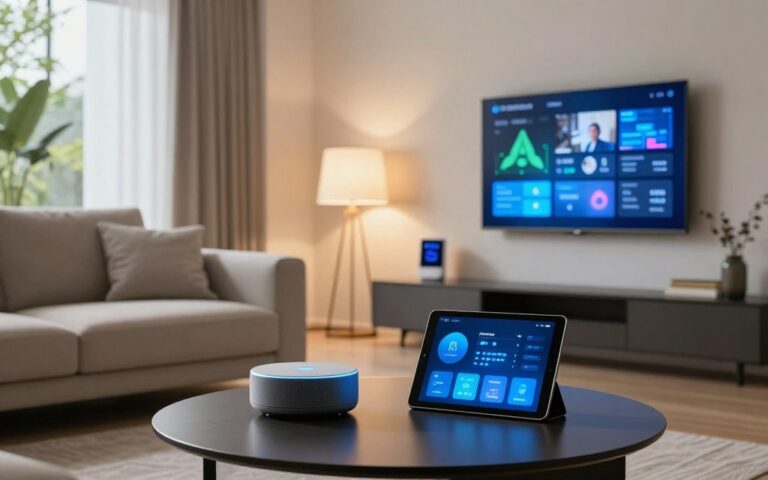
Smart home devices bring innovation right into our homes. They make our homes more responsive, efficient, and secure. These gadgets focus on being useful and easy to use, not just flashy.
Voice assistants like Amazon Alexa, Google Assistant, and Apple Siri do more than just answer questions. They can set timers, play music, and control lights. They work with other devices to create routines, like turning on lights and playing news in the morning.
But, privacy is a big concern with these devices. Users can control what they share and delete their voice history. This balance ensures safety without sacrificing convenience.
Smart thermostats change how we use energy. Devices like Nest, Ecobee, and Honeywell learn our habits and adjust the temperature. Studies show they can save up to 15% on heating and cooling costs.
These savings help the environment and lower our bills. Some thermostats even help the grid by using less energy during peak times. This shows how innovation can help both our homes and communities.
Security cameras add convenience and peace of mind. Brands like Ring, Arlo, and Wyze offer features like motion detection and two-way audio. They help prevent theft, check on pets, and keep an eye on kids.
But, there are legal and privacy rules to follow. Users can choose where to store their recordings, depending on their preferences. Keeping strong passwords and using two-factor authentication is key to keeping systems safe.
For new users, start with one device and test its compatibility. This approach helps avoid frustration and makes smart homes reliable and convenient.
| Category | Representative Brands | Key Features | User Benefit |
|---|---|---|---|
| Voice Assistants | Amazon Alexa, Google Assistant, Apple Siri | Timers, routines, third-party integrations | Hands-free control and automation |
| Smart Thermostats | Nest, Ecobee, Honeywell | Learning schedules, geofencing, energy reports | Lower bills and improved comfort |
| Security Cameras | Ring, Arlo, Wyze | Motion alerts, cloud/local storage, two-way audio | Remote monitoring and theft deterrence |
| Integration & Security | Matter-compatible devices, MFA tools | Interoperability, strong authentication | Smoother setup and better safety |
Wearable Technology Enhancing Wellness
Wearable tech turns sensor data into health advice. This helps prevent health issues and boosts wellbeing. Brands like Fitbit and Apple show how tech fits into our daily lives.
Fitness Trackers: Personalized Health Insights
Fitness trackers from Fitbit and Garmin track steps and heart rate. They offer goals and workouts to keep you motivated. Features like badges make staying healthy fun.
These devices connect with Apple Health and Google Fit. This lets users and doctors see long-term trends. It helps spot important health patterns.
Smartwatches: Beyond Timekeeping
Apple Watch and Samsung Galaxy Watch do more than tell time. They monitor heart health and detect falls. They also handle messages and payments.
Smartwatches cut down on phone use during exercise and travel. They offer safety features like SOS and health alerts. This shows smart design in health tech.
Sleep Monitors: Unlocking Better Rest
Devices like Oura Ring track sleep stages and heart rate. They give tips on better sleep and a good sleep environment. This helps improve rest quality.
These devices aren’t medical tools. But, they can alert you to health issues. Always talk to a doctor if you have ongoing health concerns. Consider battery life and privacy when choosing a device.
Mobile Applications Transforming Daily Tasks
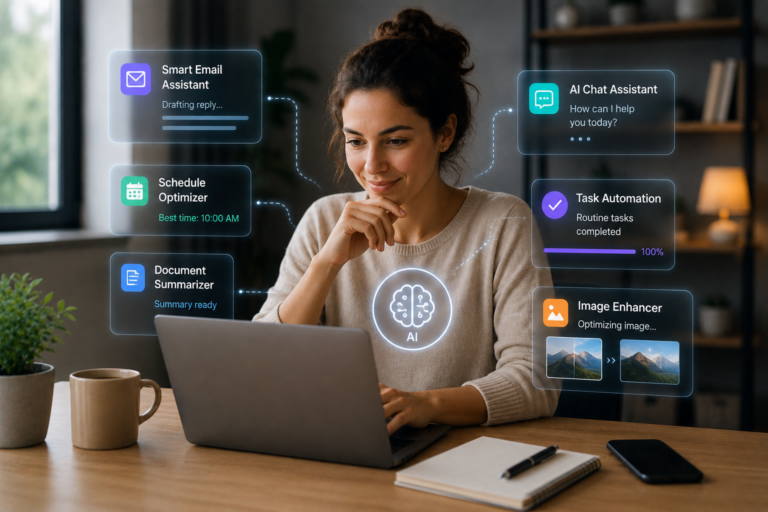
Mobile apps change how we do small tasks and big projects. They turn ideas into tools that save time and reduce stress. The right app can connect calendars, lists, and recipes, making life easier.
Productivity Apps: Organizing Chaos
Apps like Todoist, Notion, Microsoft To Do, and Google Keep make managing tasks easy. They offer templates and work with calendars and emails. This helps set routines and send reminders.
These apps support methods like GTD and time-blocking. They also work with Zapier or IFTTT to automate tasks. This reduces mental clutter by moving tasks from our minds to a reliable system.
Grocery Delivery Services: Shopping Made Easy
Services like Instacart, Amazon Fresh, and Walmart Grocery let you order groceries quickly. They offer features like saved lists and scheduled delivery. This is great for busy people and those with mobility issues.
Subscriptions like Instacart+ or Amazon Prime can save money for frequent shoppers. It’s important to consider delivery fees and tips when choosing. These services save time by eliminating the need to drive and wait in lines.
Meal Prep Apps: Cooking Simplified
Apps like Mealime, Yummly, and Paprika offer recipes tailored to your diet. They create shopping lists and guide you through cooking. Meal-kit services like HelloFresh and Blue Apron send ingredients to make cooking easier.
Many meal apps connect with fitness trackers for a complete health view. Using a recipe app with a grocery service and a task manager can streamline planning. This chain of apps makes cooking a part of everyday life.
The combination of productivity apps, grocery delivery, and meal prep shows how mobile apps improve daily life. They help us save time and focus on what’s important.
Online Learning: Education at Your Fingertips
Online learning has opened doors for people of all ages. It shows an innovation culture that values learning and skill building. Courses fit busy days, making study practical for parents, shift workers, and commuters.
Many learners turn to e-learning platforms for vetted content from respected institutions. Platforms partner with universities and employers to offer certificates and degrees. This expands access to accredited programs without the usual campus commute.
Below are highlights of leading platforms and mobile apps that support learning anywhere.
E-Learning Platforms: Accessible Knowledge
Coursera, edX, and Udemy host courses taught by university faculty and industry experts. Learners can choose self-paced options or guided programs with deadlines. Certificate tracks and degree pathways make career shifts more achievable.
Microcredentials like Google Career Certificates focus on job-ready skills and cost less than many traditional programs. Partnerships between universities and platforms widen access to recognized credentials for a broader audience.
Mobile Learning Apps: Learning on the Go
Duolingo, Khan Academy, and Brilliant deliver short lessons that fit commutes and breaks. These apps use adaptive learning to match each user’s pace. The result is higher engagement and steady skill gains driven by everyday innovation in app design.
Adaptive algorithms adjust difficulty and suggest review material. That personalization supports continuous improvement without overwhelming the learner.
Virtual Classrooms: Connecting Students Worldwide
Zoom and Microsoft Teams make live lectures and group work possible at a distance. Learning management systems such as Canvas and Blackboard add assessment tools and secure content delivery. Instructors can run breakout sessions and real-time feedback loops.
Virtual classrooms create diverse cohorts and support hybrid models that blend in-person and remote study. Students benefit from varied perspectives and collaborative projects across time zones.
Access gaps remain a challenge for rural and underserved communities. Device shortages and limited broadband slow adoption. Public broadband initiatives and downloadable course packets offer partial solutions.
| Tool Type | Examples | Main Benefit | Challenge |
|---|---|---|---|
| Platform | Coursera, edX, Udemy | Accredited courses and certificates | Cost for full degree programs |
| Microcredential | Google Career Certificates | Job-focused, lower cost | Varied employer recognition |
| Mobile App | Duolingo, Khan Academy, Brilliant | Short, adaptive lessons | Limited depth for advanced topics |
| Virtual Classroom | Zoom, Microsoft Teams, Canvas | Live interaction and collaboration | Requires stable internet |
Telehealth: Revolutionizing Healthcare Access
Telehealth has changed how we get care. It removes travel barriers and speeds up access to routine visits. Many Americans now expect quick virtual options for common concerns and follow-ups.
Popular virtual consultation platforms connect patients with licensed clinicians for non-emergency care. Services such as Teladoc, Amwell, and Doctor on Demand handle urgent care, primary care follow-ups, dermatology via photos, and behavioral health visits. Medicare and many private insurers expanded coverage after the pandemic, which cut out-of-pocket costs for many users.
When using telehealth for urgent needs, choose videoconferencing for clearer assessment. For dermatology, upload well-lit photos. For prescriptions and chronic-condition check-ins, expect streamlined follow-ups that keep care on schedule.
Remote monitoring systems help clinicians track vital signs between visits. Home blood pressure cuffs, continuous glucose monitors from Dexcom, and wearable ECG devices like KardiaMobile send data to care teams. This data can prompt medication adjustments, lower hospital readmissions, and spot early warning signs.
Security matters with remote monitoring. Platforms must follow HIPAA rules and use encrypted channels to protect patient records. Patients should confirm device approvals and read privacy policies before sharing health data.
Mental health apps broaden access to support for stress, anxiety, and sleep. Apps such as Headspace and Calm provide guided meditation. BetterHelp and Talkspace offer remote therapy and messaging with licensed professionals. These tools can supplement in-person care by offering anonymity and lower cost for ongoing support.
Mental health apps are not substitutes for emergency care. For crisis situations, patients should contact local emergency services or crisis hotlines and seek licensed clinicians when needed.
Practical tips help users get the most from digital care. Verify clinician credentials on telehealth platforms. Use secure Wi‑Fi and up-to-date devices for visits and monitoring. Adopt an innovation mindset to try new tools while keeping safety and privacy top of mind.
| Use Case | Typical Platforms or Devices | Benefits | Key Considerations |
|---|---|---|---|
| Virtual urgent care | Teladoc, Amwell, Doctor on Demand | Fast access, reduced travel, timely prescriptions | Not for life-threatening emergencies; verify coverage |
| Chronic condition follow-up | Primary care portals, remote monitoring devices | Better adherence, fewer readmissions, data-driven adjustments | Ensure device accuracy and secure data transfer |
| Cardiac and glucose monitoring | KardiaMobile, Dexcom CGM, wearable ECGs | Early detection, continuous insight, personalized care | Device approvals vary; check clinician integration |
| Behavioral health and self-care | BetterHelp, Talkspace, Headspace, Calm | Lower cost, anonymity, on-demand support | Not a replacement for crisis intervention; confirm therapist credentials |
| Home dermatology | Store-and-forward photo consults on telehealth apps | Convenience, faster diagnosis for simple conditions | Image quality affects accuracy; follow clinician guidance |
Transportation Innovations: Safer Journeys
Everyday innovation in transit is making commutes safer, cleaner, and more efficient. New transportation innovations blend software, hardware, and policy. They ease last-mile travel, cut emissions, and lower stress for riders and drivers.
Ride-sharing platforms like Uber and Lyft offer flexible alternatives to taxis and car ownership. They support pooled rides, scheduled pickups, and integrations with public transit. This helps shift commuting patterns in many U.S. cities.
Ride-sharing services include safety measures such as driver background checks, in-app emergency assistance, and real-time ride tracking. Users can share this with contacts. City regulations affect availability and pricing, making local rules a part of practical planning.
Electric vehicles from Tesla, Chevrolet Bolt, and Ford Mustang Mach-E show how everyday innovation supports sustainability in motion. Lower tailpipe emissions and reduced maintenance costs make EV ownership appealing for many drivers.
Charging networks like Electrify America and ChargePoint expand range confidence. Smart charging and home energy system integration ease grid strain. Buyers can tap federal tax credits and state rebates to improve total cost of ownership.
Navigation apps such as Google Maps, Waze, and Apple Maps use real-time data and community reports to find faster routes. These tools combine transit schedules, bike lanes, and walking directions for true multimodal trip planning.
Privacy trade-offs exist when apps collect location data to optimize routes. Users can balance convenience with privacy by adjusting permissions. They can also use alternate-route alerts to avoid delays.
Practical tips: choose ride-share pooling when schedules allow, plan EV charging stops with apps like PlugShare, and enable alternate-route notifications in navigation apps. Small changes like these turn innovative solutions into daily benefits.
Payment Technologies Changing Shopping Habits
New payment technologies are changing how we shop every day. They make checkout faster and easier. They also change what we expect from security and choice.
Retailers and consumers are both using digital tools. These tools make buying simpler and more flexible.
Digital Wallets: Cashless Convenience
Apple Pay, Google Pay, and Samsung Pay let you store cards on your phone. This makes online and in-app payments safer. It’s like having your cards in your pocket.
Loyalty programs work well with digital wallets. They offer faster checkout and rewards. This makes shopping more convenient and secure.
Contactless Payments: Safety First
NFC-enabled cards and mobile tap-to-pay systems reduce contact. This is a big plus since the pandemic. Now, most major U.S. retailers and transit systems use it.
These systems use tokenization and biometric authentication. This makes them fast and safe for everyday purchases.
Buy Now, Pay Later: Flexible Financing Options
Services like Afterpay, Klarna, and Affirm let you split payments. They offer instant approval and can increase average order values for merchants.
But, consumers need to watch their repayment schedules. Missing payments can lead to fees and affect your credit score. It’s smart to link digital wallets to secure devices and set payment alerts.
| Feature | Examples | Consumer Benefit | Risk to Watch |
|---|---|---|---|
| Digital wallets | Apple Pay, Google Pay, Samsung Pay | Faster checkout, loyalty integration, reduced card exposure | Device loss; secure setup needed |
| Contactless | NFC cards, tap-to-pay on phones | Touch-free checkout, quick transit entry | Merchant terminals must support contactless |
| Buy now, pay later | Afterpay, Klarna, Affirm | Flexible payments, higher conversion for retailers | Overspending, late fees, credit reporting nuances |
Social Media: Connecting People Everywhere
Social media is a big part of our daily lives. It changes how we find friends, learn new things, and shop. Small updates on these platforms can lead to big changes in our daily routines.
Networking Platforms: Building Relationships
LinkedIn helps job seekers and employers find each other. Facebook and Instagram keep family and friends connected. New apps like Threads let us share quickly and casually.
Features like groups and direct messaging make it easier to connect. You can join industry groups on LinkedIn, RSVP to events on Facebook, or message creators on Instagram. These tools help us collaborate and grow in our careers.
Community Forums: Sharing Experiences
Reddit and Quora are great for crowdsourced answers and deep discussions. Sites like AVS Forum focus on specific hobbies. People share tips and fixes that help solve problems fast.
Forums help us innovate by sharing our experiences. Peer recommendations are often better than manuals for real-world advice.
Influencer Impact: Shaping Trends
Creators on YouTube, Instagram, and TikTok influence what we buy and how products evolve. Their impact goes beyond ads. Reviews and unboxing videos guide product design and marketing.
Social commerce is growing through in-app shops and creator-led product lines. But, there’s a risk of misinformation. It’s important to follow credible experts and fact-check recommendations.
Practical steps include joining local groups and following verified professionals. Customizing your feed settings can also help. These habits make social media and forums useful for everyday innovation.
Sustainable Technologies: A Greener Future
Everyday innovation is changing how we power our homes and shop. Sustainable technologies are making green choices more affordable for families in the United States. By adopting cleaner systems and products, families can lower their bills and reduce their carbon footprint.
Renewable Energy Solutions: Powering Homes
Homeowners can now generate their own energy with residential solar PV systems from brands like SunPower and Tesla Solar. Adding battery storage, such as Tesla Powerwall or LG Chem, provides backup power during outages. Federal incentives, state net metering, and local rebates help lower the cost of these systems.
Using these systems can lead to lower energy bills, a smaller carbon footprint, and more energy independence. When choosing systems, consider payback periods, warranty terms, and the credentials of the installers to make informed decisions.
Eco-friendly Products: Reducing Waste
People are moving towards low-waste options like reusable packaging and refill systems from retailers such as Grove Collaborative. Choosing compostable materials and upcycled goods helps reduce landfill waste and supports circular markets. Look for trusted labels like ENERGY STAR, USDA Organic, and EPEAT when shopping.
Choosing certified products ensures quality and real environmental benefits. Making small changes in our daily routines can significantly reduce waste and save money. This supports continuous improvement in our environmental impact.
Smart Grids: Efficient Energy Usage
Utilities are investing in smart grids that use smart meters and distributed energy resource management systems (DERMS) to balance load and integrate renewables. Demand-response programs reward customers for shifting usage during peak times. These innovations make the system more resilient.
Households can join time-of-use pricing plans, use smart thermostats, and enable EV smart-charging to reduce strain on the grid and lower bills. Participating in utility programs often leads to direct savings and better grid stability.
Practical steps include comparing solar payback estimates, choosing certified eco-friendly products, and enrolling in local utility programs. These actions turn sustainable technologies into everyday innovation that benefits both people and the planet.
Personal Finance Management Tools
Financial technology brings a new way to handle money. It makes complex tasks simple. This helps people manage their cash flow, savings, and investments better.
Budgeting Apps: Taking Control of Finances
Budgeting apps like Mint, You Need a Budget (YNAB), and Simplifi by Quicken help a lot. They bring all your accounts and spending into one place. They also send alerts and track your progress.
Investment Platforms: Growing Your Wealth
Platforms like Robinhood, Fidelity, and Vanguard make investing easy. They offer fractional shares and simple account setup. Robo-advisors like Betterment and Wealthfront help manage your investments.
Expense Trackers: Keeping an Eye on Spending
Expense trackers like Rocket Money give you updates on your spending. They help you see where you spend too much. They also protect your identity and credit score.
Here are some tips: link accounts, set small saving goals, and automate transfers. These steps help you stay on track and grow your wealth over time.
| Tool Type | Example Brands | Key Features | Best For |
|---|---|---|---|
| Budgeting apps | Mint, YNAB, Simplifi | Account aggregation, spending categories, alerts, goal tracking | Monthly budgeting and bill reminders |
| Investment platforms | Robinhood, Fidelity, Vanguard, Betterment, Wealthfront | Fractional shares, robo-advice, rebalancing, IRAs, target-date funds | Long-term investing and retirement planning |
| Expense trackers | Rocket Money, Truebill-style services | Real-time transactions, subscription management, trend reports, credit monitoring | Controlling subscriptions and identifying spending leaks |
The Future of Everyday Innovation
Our daily lives will keep evolving with small, steady changes. Expect generative AI to make personal assistants smarter. Edge computing will speed up local tasks, and Matter will make devices from Apple, Google, and Amazon work better together.
Home robots will go from vacuuming to being multitasking helpers. AR and VR will find new uses in shopping, education, and fixing things.
Emerging Technologies: What’s Next?
Health tech will become more common with non-invasive sensors and better batteries. Genomics will help create wellness plans tailored just for you. These technologies will make health tracking easy and useful.
Anticipating Changes: Preparing for Tomorrow
To get ready, develop an innovation mindset and improve your digital skills. Keep your devices updated and use strong backups. Also, protect your privacy.
Follow local news and support policies that help everyone have access to new tech. This includes better broadband, clear privacy rules, and green incentives.
The Role of Consumer Feedback: Shaping Innovations
User reviews and social media help companies improve. Brands like Apple, Google, and Amazon listen to feedback. They work on privacy, battery life, and accessibility.
Join beta programs, give feedback, and try new tools. This way, you can help shape the future of tech.
In short, the future of everyday innovation is about small, steady steps. It’s about making life simpler, healthier, and more sustainable. By embracing innovation in our daily lives, we can see big changes.