

advertisement
Studies show that spaced practice and active recall can double retention. Yet, many still think long hours are key to learning.
This guide offers science-backed tips to learn faster without spending more time. It’s about improving how you remember and understand, not just rushing through.
You’ll discover tools like spaced repetition and mnemonics. You’ll also learn about creating a focused work environment and setting SMART goals. Plus, there are apps and courses for learning that fits you.
Cognitive psychology and experts agree: active learning and proper sleep are better than long study sessions. They help you remember and understand better.
Start by reading this guide from the beginning. Each part builds on the last. Try one technique this week, like spaced repetition or a Pomodoro, and see the difference.
Understanding Effective Learning
Effective learning focuses on keeping information in your mind for a long time. It helps you understand better and use skills in different situations. Instead of just reading over and over, it uses strategies that save time and improve results.
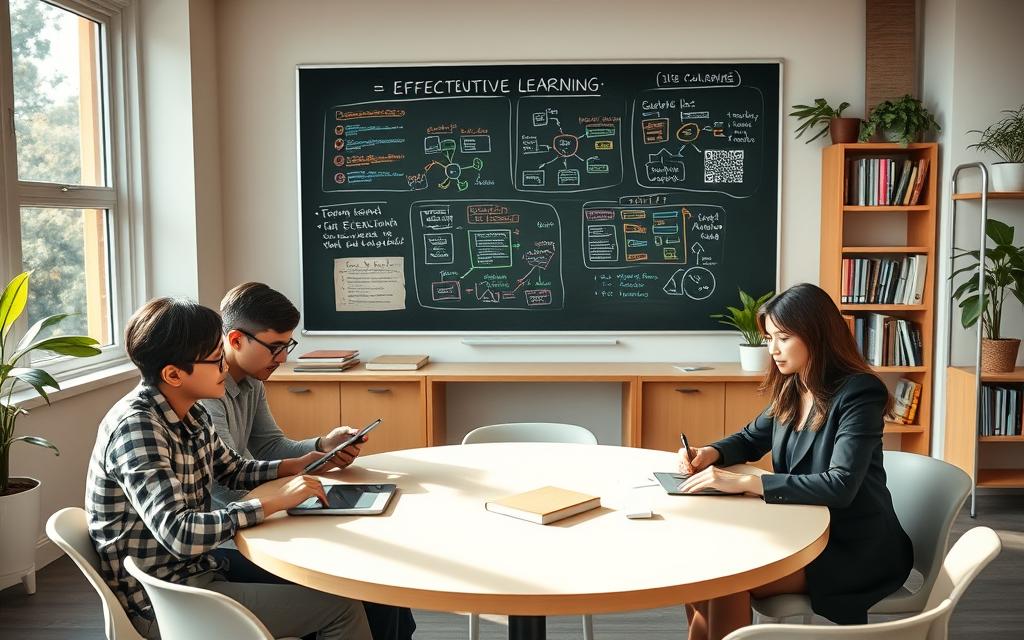
What Is Effective Learning?
Effective learning uses methods that help you remember and recall information better. It starts with encoding, which is when new information goes into your memory. Then, consolidation makes sure that information stays stable. Lastly, retrieval is when you bring it back to your mind when needed.
Active learning beats passive learning. Active methods like recalling information, connecting new ideas to old ones, and creating answers strengthen your memory. These methods are better than just reading or highlighting without thinking.
Our brains can only hold so much information at a time. Managing how much we take in is key. Techniques like spaced practice, mixing easy and hard tasks, and making learning harder make memories stronger.
Why It Matters in Today’s World
The job market changes fast, so we need to learn quickly and keep learning. People who use effective learning methods can adapt faster and grow their careers quicker. This leads to better job performance and more productivity.
Standardized tests look for skills you can apply, not just how much you’ve read. Employers and teachers want to see you can do things, not just how long you’ve studied. Learning strategies that focus on results help you do better on tests and in real life.
Tools like Coursera, Khan Academy, Duolingo, and Anki use spaced practice and tailor learning to you. They follow the science of how we learn to make studying more efficient and less wasteful.
| Aspect | Passive Methods | Active Methods | Outcome |
|---|---|---|---|
| Engagement | Low — rereading, highlighting | High — retrieval, generation | Active methods boost retention |
| Memory Process | Weak encoding and consolidation | Strong encoding, spaced consolidation | Better long-term recall |
| Cognitive Load | Often unmanaged, overload risk | Managed with spacing and interleaving | Efficient learning sessions |
| Tools | Notes and rereads | Apps like Anki, Coursera, Duolingo | Personalized practice improves results |
| Real-world Value | Limited transfer | Stronger transferable skills | Better career and academic outcomes |
Leveraging Memory Techniques
Using strong memory methods makes studying more productive. It helps you learn without spending extra hours. Tools like mnemonics turn facts into easy-to-remember cues. By adding sensory details, timing, and active recall, you can store information in your long-term memory.
The Power of Mnemonics
Mnemonics make remembering easier by creating memorable frames. Try acronyms like PEMDAS for lists that need to be recalled in any order. Acrostics are great when you need a sentence or rhythm, like a phrase from the first letters of terms you must learn.
For ordered sequences, use the loci method or memory palace. Imagine vivid images along a familiar path. Each step reminds you of the next. Peg systems work for discrete items, like associating 1 with gun, 2 with shoe, and 3 with tree, then linking each item to its peg.
Make your images bizarre, emotional, or sensory-rich to strengthen the connection. Link new items to strong memories and rehearse by recalling them. Active recall, not just re-reading, makes mnemonics more effective and practical.
Visualization Strategies
Dual-coding theory says memory improves with verbal and visual elements together. Sketch diagrams, flowcharts, timelines, or mind maps to make text into images. These methods help you understand and review faster.
Change abstract paragraphs into labeled visuals. For example, turn a paragraph on cellular respiration into a diagram. Label inputs and outputs so the picture helps you remember the terms and steps.
Keep your visuals simple and consistent. Use colors or icons to mark themes. Combine visualization with mnemonics to encode both structure and vivid cues for complex topics.
Spaced Repetition Explained
Spaced repetition uses the spacing effect to strengthen memory. Reviewing material at expanding intervals is more effective than massed practice. This method helps you retain information longer.
Use SRS software like Anki or Quizlet for spaced repetition. Start with a review after one day, then every three to seven days, and two to four weeks later. Increase intervals if you recall well. Adjust timing if an item is hard to remember.
Pair spaced repetition with active recall and mnemonics for the best results. Research shows significant retention gains with spaced repetition. Use visualization strategies to represent card content visually for denser material.
By combining these techniques, studying becomes more efficient and effective. Small, consistent practice sessions lead to lasting mastery.
Creating a Conducive Learning Environment
A well-designed study environment is key for effective learning. Small changes in light, sound, and layout can make studying easier. Tools and routines can turn a room into a reliable focus spot.
Importance of Lighting and Noise
Good lighting reduces eye strain and keeps you alert. Sit near a window for natural light. If daylight is limited, full-spectrum bulbs can help.
Noise is less important than you might think. Total silence can be unnerving. Low-level ambient sounds or white noise can help focus. Try instrumental playlists or use noise-canceling headphones in busy areas.
Research shows proper lighting and sound control improve focus. Adjust these to match your task and energy level.
Organizing Your Study Space
Create a dedicated study zone. Use an ergonomic chair and position your monitor at eye level. Keep surfaces clean to start tasks easily.
Store materials in labeled bins or shelves. Place often-used items within reach and keep phones away. Consistent placement helps focus.
Small physical cues aid habit formation. A calendar, visible task list, or study mug can trigger focus. Using the same desk and setup helps remember study routines.
Accessibility and Personalization
Adjust the space to fit your needs. Install dimmers for flexible lighting. Try a standing desk for posture variety. For those with attention differences, discreet fidget tools can help.
Personal touches matter when they don’t distract. A few plants, a reliable lamp, and comfortable temperature create comfort. Use study planners or printable schedules to stay organized.
| Element | Quick Tip | Why It Helps |
|---|---|---|
| Lighting | Prefer natural light or full-spectrum bulbs | Reduces eye strain, supports alertness and circadian rhythm |
| Sound | Use low-level ambient noise or noise-canceling headphones | Blocks distractions and can boost sustained focus |
| Ergonomics | Adjust chair, desk, and monitor height | Prevents discomfort and keeps attention on tasks |
| Organization | Label storage and keep essentials nearby | Reduces cognitive friction and saves time |
| Context Cues | Use a calendar, dedicated mug, or task list | Triggers routine and aids habit formation |
| Accessibility | Offer dimmers, standing options, and fidget tools | Allows personalization while minimizing interruptions |
Setting SMART Learning Goals
Clear goals give learning direction and make effective learning practical. Start with a concrete outcome, then break that outcome into small steps you can measure. This approach supports personalized learning and keeps motivation steady.
Specific, Measurable, Achievable, Relevant, Time-bound
Specific goals answer who, what, and how. Say, master 20 Spanish travel words instead of study Spanish. That clarity guides study choices.
Measurable goals use quizzes, timed problem sets, or percent correct to track gains. Record scores after each session so you can see improvement.
Achievable goals match your time and skill level. If you have one hour a day, plan tasks that fit that window rather than an unrealistic marathon.
Relevant goals tie to larger aims like career tests, a trip, or a certification. Relevance boosts commitment and makes personalized learning purposeful.
Time-bound goals include deadlines and milestones. Set daily mini-tasks and weekly check-ins to keep pace and build momentum.
Tracking Your Progress
Tracking your progress turns intentions into data. Use habit trackers, spreadsheets, or apps such as Notion, Todoist, and Toggl to log study time, topics, and quiz results.
Weekly reviews compare planned work with actual effort. Adjust schedules when metrics show weak areas. For example, increase practice on concepts with high error rates.
Leverage app analytics and Anki statistics to guide decisions. Coursera completion rates or course dashboards reveal where time yields the best gains.
Use a simple process goal system: pick an outcome, set three daily process tasks, and note results. Small wins keep momentum and create steady progress toward larger targets.
| Goal Element | Example Goal | How to Track | Adjustment Metric |
|---|---|---|---|
| Specific | Learn 20 travel words in Spanish | Flashcard correct rate each session | Percent correct below 80% |
| Measurable | Score 80% on weekly quiz | Quiz score history in spreadsheet | Average score trend over 4 weeks |
| Achievable | Three 25-minute Pomodoros per day | Time logged via Toggl or Notion | Missed sessions per week |
| Relevant | Prepare vocabulary for a business trip | Topic list aligned with trip needs | Proportion of practiced terms used in mock dialogues |
| Time-bound | Reach target in four weeks with weekly milestones | Calendar milestones and completion dates | On-time completion rate of weekly milestones |
Engaging in Active Learning
Active learning makes studying more like practice. Small changes in how you review material can lead to better recall and understanding. Use short, focused routines to make learning the norm, not the exception.
Techniques for Active Participation
Start with retrieval practice by closing your notes and quizzing yourself. Turn key points into flashcards or concise questions. After reading, write a 5–10 minute summary without looking back.
Use elaboration to explain concepts in your own words. Try the Feynman technique: teach a topic aloud to a peer or an imaginary student. Mix problem types instead of repeating one kind to force flexible thinking.
Adopt structured routines. Add a brief retrieval session after each chapter, mark margin questions during lectures, and end study blocks with a timed recall. Practice testing can be formal or informal; timed quizzes work well for exam prep.
Benefits of Group Learning
Group learning exposes you to varied viewpoints and immediate feedback. Peer instruction boosts conceptual understanding compared to passive listening. Groups help with accountability and push members to clarify reasoning.
Keep groups small, ideally three to five people. Assign roles like presenter, questioner, and summarizer to maintain focus. Use timed segments such as 20 minutes of individual work followed by 25 minutes of discussion to stay productive.
Prepare materials in advance and set clear objectives for each session. For remote collaboration, use Zoom breakout rooms or Slack channels for follow-up. Collaborative problem-solving helps reveal blind spots faster than solo review.
| Technique | What to Do | Example Exercise |
|---|---|---|
| Retrieval Practice | Recall information from memory without notes | Create flashcards and summarize a lecture from memory |
| Elaboration | Explain ideas in your own words and connect concepts | Write a one-paragraph explanation linking two concepts |
| Feynman Teaching | Teach a topic to a peer, identify gaps | Present a 10-minute mini-lesson and answer questions |
| Interleaving | Mix problem types to force retrieval and transfer | Solve a set of mixed math or case-study problems |
| Problem-Based Learning | Work from real problems to build skills and reasoning | Break a case into tasks and assign roles to group members |
| Practice Testing | Use quizzes to measure progress and guide review | Run timed quizzes and review missed items after |
Using Technology to Boost Learning
Technology can speed up progress when used with intention. The right mix of apps and platforms brings structure, feedback, and variety to study habits. Pick tools that match your goals and pair them with focused practice for effective learning.
Apps for Time Management
Use focused apps to protect attention and measure habits. Focus Keeper and Forest work as Pomodoro timers that build short, deep work sessions and reward consistency. Todoist and Notion let you plan tasks, break projects into steps, and track habits over weeks.
Toggl and RescueTime reveal where minutes go and highlight distraction patterns so you can tweak routines. Use Anki or Quizlet for spaced repetition; they automate review intervals and lock facts into long-term memory.
Online Resources and Courses
Choose platforms that match depth and format. Coursera and edX offer structured university-style courses with clear syllabi and certificates. Khan Academy provides free foundational lessons and practice for K–12 and early college topics.
Udemy and LinkedIn Learning supply short, skill-focused classes for immediate application. Duolingo and Babbel deliver daily, gamified practice for languages. YouTube channels like CrashCourse and Khan Academy offer quick visual explanations for tricky subtopics.
Integration Strategies and Quality Checks
Combine strengths across tools. Take a Coursera course for conceptual depth, build Anki decks for core facts, and watch targeted YouTube videos to clarify confusing sections. Use Todoist or Notion to schedule study blocks and RescueTime to measure adherence.
Prioritize courses with clear syllabi, qualified instructors, and active practice elements. Balance cost and value by mixing free educational resources with paid certificates when you need validation or deeper structure.
Adopting the Pomodoro Technique
The Pomodoro technique is a simple way to organize study sessions. It helps you stay focused and avoid burnout. By working in short, timed bursts, you can tackle tasks one at a time.
How It Works
The basic Pomodoro cycle is 25 minutes of work and 5 minutes of break. After four cycles, you take a 15–30 minute break. This pattern keeps your energy up and your focus sharp.
You can adjust the cycle to fit your needs. For example, use 50/10 for reading or 90/20 for deep work. Try different patterns to find what works best for you.
Before starting, clear your space of distractions and set a goal for each Pomodoro. Use apps like Focus Keeper or TomatoTimer to keep you on track. Keep a log of your cycles to see how you’re doing.
Benefits for Focus and Retention
Time-boxing helps you stay focused and avoid procrastination. It turns big tasks into smaller, manageable ones. Regular breaks help your brain rest and remember what you’ve learned.
End each Pomodoro with a quick test or problem set. This strengthens your memory and keeps you focused. Research shows that short breaks improve your ability to stay on task.
For group study, everyone can work together in focused intervals. Then, take breaks for discussion. This way, everyone stays on the same page.
| Use Case | Pomodoro Pattern | Best For |
|---|---|---|
| Quick review or homework | 25/5 (x4 then 15–30) | Efficient studying of discrete tasks and flashcards |
| Heavy reading or lectures | 50/10 | Longer attention with periodic rest to prevent fatigue |
| Deep problem-solving | 90/20 | Extended flow for complex projects and coding |
| Group study sessions | 25/5 synchronized | Shared focus intervals with time for discussion |
Practicing Self-Care for Better Learning
Good study habits are more than just notes and schedules. Daily routines that care for your body and mind are key. Small changes in sleep, diet, and stress can make a big difference.
The Role of Nutrition and Sleep
Sleep is crucial for memory. Most adults need 7–9 hours each night, says the National Sleep Foundation. A regular bedtime, no screens before bed, and a cool, dark room help you sleep better.
Eating well keeps your blood sugar stable. Choose complex carbs, lean proteins, and healthy fats for focus. Drinking enough water and eating foods rich in omega-3s and B vitamins is good for your brain. Avoid sugary snacks and caffeine too close to bedtime.
Napping can be smart. Short naps of 20–30 minutes can make you more alert. But longer naps might help with complex material, though they can make you feel groggy.
Managing Stress Effectively
Stress affects how we learn. Too much stress can hurt memory and slow down learning. Simple habits can help manage stress and protect your learning.
Try mindfulness apps like Headspace or Calm. Do deep-breathing exercises before studying. Regular exercise, like cardio and strength training, also helps focus and mood.
Talking to friends or mentors can help when you’re stressed. Use time management to avoid last-minute stress. Make sure to take breaks to avoid burnout.
Mental health is important for learning. If anxiety or depression gets in the way, get help. Campus counseling, Employee Assistance Programs, and online therapy like BetterHelp can offer support.
Start your day with a routine. Morning light, a workout, and a healthy breakfast can wake you up. A calming pre-sleep routine, like dim lights and a warm drink, helps your brain rest and learn better.
Integrating Real-World Applications
Putting ideas to work turns knowledge into skill. This section shows how connecting theory to practice boosts effective learning. It uses focused tasks that mirror real situations.
Connecting Theory to Practice
Transfer matters when learners face new problems. Project-based learning, case studies, simulations, internships, and deliberate practice with feedback help bridge classroom ideas and messy real contexts.
Design practice tasks that match real constraints. Add variability so learners adapt, not just repeat. Use mentor feedback to speed growth and guide reflection.
Examples of Practical Learning
Below are specific, hands-on examples across fields that encourage personalized learning and effective learning outcomes.
| Field | Practical Activity | Learning Goal |
|---|---|---|
| STEM | Build a small electronics project and document results in Jupyter Notebooks | Apply circuit theory, test hypotheses, combine code with narrative for reproducible work |
| Languages | Conversation exchanges, media immersion, write real emails and read current news | Increase fluency, cultural understanding, task-based communication skills |
| Business & Soft Skills | Simulated negotiations, mock proposals, short marketing experiments | Practice persuasion, project planning, and data-driven decision making |
| Certifications | Practice exams and scenario-based question sets | Mirror workplace decisions and improve response under pressure |
| Micro-Internships | Short-term projects with nonprofits or gig platforms | Gain context, feedback, and portfolio-ready results |
After each task, use a short reflection loop. Ask what worked, what failed, and which steps to repeat. Peer or mentor feedback refines choices and supports personalized learning plans.
Use simulations and case studies to test transfer before real deployment. This method reduces risk and strengthens the habit of applying ideas in new settings.
Continuous Reflection and Adaptation
Learning well means taking time to check how you’re doing and making small changes. Continuous reflection helps you find areas to improve early on. It keeps your learning strategies up to date with real results. Make reflection a regular part of your routine, not a burden.
Techniques for Self-Assessment
Practice tests, error logs, and performance rubrics are great tools for self-assessment. A brief journal after each study session can also help. Low-stakes quizzes can show where you need to improve without stress.
Track both numbers and feelings. Note your accuracy and time, and also your confidence or quick notes. This mix gives a full picture of your progress.
Adjusting Your Methods for Improvement
Start by collecting data from quizzes and study logs. Then, figure out the main issues. Maybe it’s weak practice or poor sleep.
Choose specific changes, like adding spaced repetition or shorter study breaks. Try these changes for 1–2 weeks. Then, check again. Tools like Anki or Coursera quizzes can help make these changes faster.
See setbacks as chances to learn, not failures. Keep making adjustments. Over time, you’ll develop better habits and grow your mind.