
advertisement
Nearly 4 hours a day: that’s the average American screen time on mobile devices. This figure shows how idle moments are filled with constant digital interactions.
“Doing nothing” is not about boredom anymore. Today, digital consumption turns small waits into special moments. Whether it’s watching Netflix or scrolling through TikTok, these moments change how we use the internet.
More people are using digital devices, as shown by Pew Research Center and Nielsen. This is because of better internet access and smarter personalization. Companies like Amazon and Netflix use algorithms to suggest content. Platforms like TikTok and Instagram focus on short videos to grab our attention.
This trend affects our mental health, productivity, and how businesses market themselves. It also impacts privacy and regulation. Understanding digital consumption helps us manage our time better and design services that work for everyone.
This article will explore what digital consumption is, how it has evolved, and its impact on our lives. We’ll look at how devices and apps shape our behavior, the effects of streaming and social media, and how it affects our mental health and business strategies. We’ll also discuss the future of work and how to use technology wisely.
Understanding Digital Consumption in Today’s Society
Digital consumption changes how we read, watch, shop, and interact online. This section explains the concept, shows major changes in media, and talks about current trends. These trends affect how we browse the internet and make business decisions.
What is Digital Consumption?
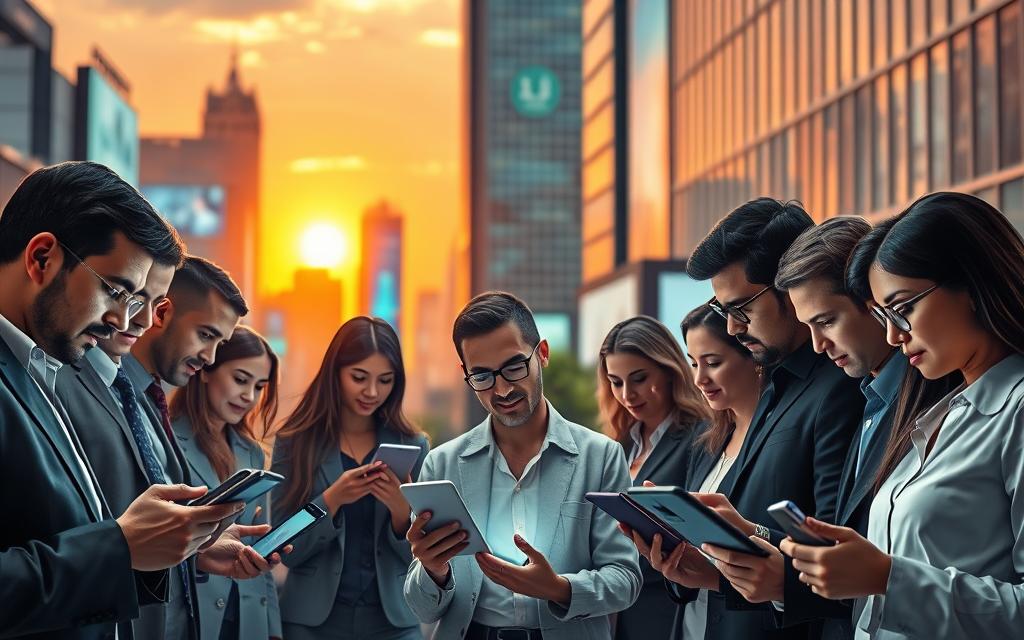
Digital consumption is how we use digital channels to access and buy content and goods. It includes streaming, social media, mobile apps, online shopping, gaming, and reading news. The Pew Research Center and eMarketer track these behaviors by looking at time spent, platform use, and transactions.
Marketers use online behavior analysis to understand our digital journeys. Companies like Netflix and Spotify use this data to offer personalized content. This raises questions about privacy as tracking becomes more common.
The Evolution of Media and Content Consumption
Media has moved from TV, print, and physical media to streaming and user-generated content. YouTube changed how creators make money, Netflix shifted to streaming, and the iPhone made mobile use widespread. TikTok introduced short, viral videos that change how we focus.
Publishers started using paywalls, newsletters, and memberships to make up for lost print revenue. Platforms invested in connected TV and podcast niches to grab attention. This shift has changed how products are marketed and found online.
Trends in Digital Engagement
Short-form video is now popular, and algorithms decide what we see. Mobile-first browsing is the norm. We can watch content whenever we want and on any device.
Some people are tired of subscriptions and prefer ads. Yet, more time is spent online, thanks to mobile commerce and connected TV. This forces publishers and advertisers to update their strategies and invest in programmatic ads.
Segmenting audiences and personalizing content are key to successful campaigns. Analyzing online behavior helps target messages based on what we do online. This guides product development, ad placement, and editorial choices in the digital world.
The Role of Smartphones in Our Daily Lives
Smartphones are at the heart of our daily routines in the United States. Pew Research Center and Statista show that most people use them a lot. They are our main way to access the internet and stay connected.
Being always connected leads to many small interactions. We check our phones for updates, messages, and news often. These quick checks change how we use the internet and increase our digital activity.
Mobile devices are everywhere, used by all ages. Even older adults and teenagers use them every day. As we use more apps and websites, our screen time goes up. This changes how companies track our online habits.
Apps shape our behavior through their design. Social media and streaming services keep us engaged. Shopping apps make buying things easy and quick.
Productivity apps change how we work. They make meetings and messages more efficient. Games keep us playing by offering rewards and in-app purchases.
Designers use tricks to keep us interested. Features like streaks and personalized feeds make us come back. Apple and Google offer tools to help us manage our screen time.
Marketers and researchers study how we use smartphones. They track our habits to make online experiences better. This makes smartphones even more important in our lives.
Streaming Services: A Game Changer for Entertainment
Streaming changed how we spend our free time. Big names like Netflix, Hulu, Disney+, and HBO Max moved us from set times to anytime viewing. This change affected how people watch content in the United States.
Now, we can watch whole seasons at once. This led to binge-watching becoming popular. People watch for longer and talk about shows online instead of at work.
Shows like Stranger Things and The Mandalorian became big because they were released all at once. This allowed for instant sharing and discussion.
The Rise of Binge-Watching
With full seasons available, watching habits changed quickly. People planned weekend marathons around new episodes. This made binge-watching a common activity.
This change also affected how ads are made. Marketers now focus on getting attention during new show releases. They plan their campaigns around these times.
How Streaming Altered Viewership Habits
Watching shows at different times became the norm. People watch on various devices, making it hard to track viewership. More people cut the cord, choosing streaming over traditional TV.
Services use data to decide what to show next. They offer personalized recommendations to keep viewers interested. Ads are now targeted, changing how companies market their products.
Independent creators found new ways to share their work. But, there’s more competition for our attention. We face more choices and deals, making it hard to keep up.
| Area | Before Streaming | After Streaming |
|---|---|---|
| Content Release | Scheduled episodes on networks | Full seasons and on-demand catalogs |
| Viewing Patterns | Weekly appointment viewing | Binge-watching and time-shifted sessions |
| Device Usage | Primarily TV | TV, phone, tablet—cross-device consumption |
| Data & Advertising | Broad TV ratings | Targeted ads, dynamic insertion, online behavior analysis |
| Creator Opportunities | Network gatekeepers | More platforms, intense competition |
| Marketing Approach | TV spots and print | Digital marketing strategies, social launches, data-led campaigns |
| Consumer Challenges | Limited channels | Subscription fatigue and content fragmentation |
Social Media: Filling the Void of Leisure Time
Idle minutes are now filled by Facebook, Instagram, TikTok, X, and Snapchat. Short videos and endless feeds provide quick entertainment. This change alters how we use digital media in small, frequent doses.
The Psychology Behind Social Media Usage
Behavioral science research shows that likes and comments activate reward systems in our brains. This makes us feel good when we use social media. The fear of missing out and comparing ourselves to others also keeps us coming back for more.
Studies in online behavior analysis reveal how we seek validation through our content choices. Algorithms favor posts that get reactions, creating a cycle of engagement. This pattern affects how we browse the internet on all devices.
Instant Gratification and Its Impact
Features like quick rewards and notifications make us jump from one thing to another. Short videos and endless scrolling reduce our focus. Ephemeral content like Stories makes us react fast.
Brands use these moments for targeted ads and influencer partnerships. They aim to fit their messages into short, engaging content. This approach matches current trends and grabs our attention.
There’s a growing debate about social media’s transparency and moderation. Calls for digital literacy and clearer rules are increasing. Tools to track screen time are also emerging, shaping our use of social media and the internet.
Digital Consumption and Mental Health: A Double-Edged Sword
Smartphones, streaming, and social networks have changed how we spend our time. This change has both good and bad sides. It’s important to know both to make better choices about our digital lives.
Benefits of Digital Connectivity
Digital tools help us find support and learn new things. Apps like BetterHelp and Headspace make mental health care easier. Sites like Coursera and Khan Academy help adults and teens learn.
Online communities offer a sense of belonging. They help people feel less alone. Employers use online tools to help their employees’ well-being.
Challenges and Risks of Overconsumption
Too much screen time can disrupt sleep and cause anxiety. Studies and the American Psychological Association have found this. Doomscrolling and comparing ourselves to others can make us feel worse.
Excessive use can lead to addiction and compulsive shopping. It changes how we see the world online. Not setting limits can harm us in the long run.
Tools and programs aim to help. Apple Screen Time and Google Digital Wellbeing let us control our app use. Platforms are adding features to encourage healthier habits.
To find balance, try digital breaks and set app limits. Be mindful of how you use technology. Diversify your activities with exercise, hobbies, and socializing. These steps can improve your mental health and digital habits.
The Impact of E-commerce on Shopping Habits
Online shopping has changed how Americans shop. The pandemic made more people shop online for the first time. Now, they look for convenience, speed, and choice when buying.
Shift from Physical Stores to Digital Channels
More people are clicking online, but stores still have their place. About 59% of shoppers prefer online for many things. But, 41% like to buy in person for certain items.
Stores like Target and Walmart offer curbside pickup and in-store returns. This keeps shoppers connected to both online and in-person shopping.
Platforms like Shopify and Amazon make it easier for small brands to sell online. They can reach more people without big stores. Many retailers use one system for all their inventory, making shopping smoother.
How Convenience Fuels Digital Sales
Features like one-click checkout and fast shipping make online shopping easy. Mobile payments and subscription services also make buying simpler.
Payment options like Affirm and Klarna help with big purchases. Personalized ads and emails encourage more sales. Over 80% of buyers check out products online before buying.
Virtual Shopping Experiences and Logistics
AR try-ons and live commerce make online shopping feel like in-store experiences. These tools help bridge the gap between online and in-person shopping.
New ways to fulfill orders, like micro-fulfillment centers, speed up delivery. But, returns and packaging waste are big challenges for retailers.
Online Consumer Behavior and Marketing Tactics
Personalized ads, reviews, and influencer recommendations shape what we buy. Email and SMS campaigns keep customers engaged. Marketers use data to improve offers and reduce cart abandonment.
Omnichannel analytics help brands understand how we shop online. For more on online vs. in-person shopping, check out this retail analysis.
| Driver | Online Strength | In-Store Strength |
|---|---|---|
| Speed | Fast delivery, same-day options | Immediate possession at checkout |
| Convenience | 24/7 access, mobile wallets, one-click buy | Easy returns, hands-on inspection |
| Discovery | Personalized recommendations, social commerce | In-store merchandising and sensory tests |
| Fulfillment | Micro-fulfillment centers, automated warehouses | Instant pickup, local inventory visibility |
| Sustainability | Concerns over packaging and returns | Lower return shipping, potential for local sourcing |
Gaming: A New Frontier in Digital Leisure
Gaming has moved from a small hobby to a big part of digital culture. This change affects how we use digital devices and shows broader trends. Companies like Sony, Microsoft, Nintendo, and big mobile game makers have made games easier to get. Cloud services from Xbox Cloud Gaming and NVIDIA GeForce Now make playing games even more convenient for everyone.
The gaming industry in the United States is growing fast. Reports from Newzoo and the Entertainment Software Association show the market is huge, with mobile games being the most popular. Money comes from selling games, buying in-game items, subscriptions, and ads. This variety helps the industry grow and brings new ideas to different platforms.
More people can play games because of different platforms. Console systems like PlayStation, Xbox, and Nintendo still attract many players. PCs offer deep games and communities. Mobile games are easy to play and reach millions. Cloud gaming makes it easier to play games on any device, attracting players of all ages.
Games now have multiplayer features, live streams on Twitch and YouTube Gaming, and esports. This has turned playing games alone into a social activity. Players can chat, join guilds, and play with others across different platforms. These features help people make friends and work together, changing how we use digital devices for fun.
Playing games can help players develop skills, work as a team, and be creative. Playing games competitively improves problem-solving, quick thinking, and teamwork. Streamers and creators build communities where people can learn and share new things.
But, there are still worries about bad behavior, money spent by kids, and too much screen time. The industry is working to fix these issues with tools to control content, parental settings, and ESRB ratings. They also keep watching online behavior to find and stop abuse.
The following table summarizes key U.S. market figures, platform roles, and main revenue streams based on public reports by Newzoo and the Entertainment Software Association.
| Category | U.S. Snapshot | Platform Roles | Primary Revenue Streams |
|---|---|---|---|
| Market Size | $50–60 billion annual consumer spend (est.) | Broad audience from casual to core players | Game sales, subscriptions, ads, DLC |
| Mobile | Largest player base; billions of downloads yearly | On-the-go access, casual engagement | In-app purchases, ads, battle passes |
| Console | High engagement among core gamers | Exclusive franchises, social living-room play | Full-price titles, subscriptions (PlayStation Plus, Xbox Game Pass) |
| PC | Strong market for premium and indie titles | Modding, esports, competitive scene | Direct sales, microtransactions, DLC |
| Cloud Gaming | Growing accessibility; lowers entry cost | Device-agnostic play; expands digital devices usage | Subscriptions, platform licensing |
| Social & Community | Millions tune into streams and events | Guilds, clans, live-stream co-play, esports | Sponsorship, advertising, donations |
The Influence of Digital Content Creators
The creator economy has become a big deal in digital world. Now, independent creators and small studios make money through sponsorships and ads. They also sell merchandise and get subscriptions on Patreon and Substack.
YouTube and TikTok have helped creators by investing in their work. This has made creative jobs more professional.
Brands use influencers to reach people who are really interested in what they have to say. They use creator-driven campaigns to get more people to know about their products. Social media helps them see how well these campaigns are doing.
Rise of Influencers and Content Marketing
Influencers help people decide what to buy by showing off products in their videos. Companies like Nike and Glossier work with creators who have the right audience. These creators often do better than regular ads.
Micro-influencers are great for reaching specific groups of people. Brands team up with them for targeted campaigns. This way, they can build a loyal following and get better results from their ads.
The Authenticity Dilemma
Creators and sponsors have to balance making money and keeping their audience’s trust. If a sponsored post doesn’t sound like the creator, people might not believe it. The Federal Trade Commission makes sure creators tell their audience when they’re being paid to promote something.
Creators who don’t clearly say when they’re sponsored can face backlash. Brands that don’t follow the rules can hurt their reputation and waste money. Clear rules and contracts help avoid these problems.
But, there’s still a chance for creators who focus on being honest. Niche communities appreciate creators who give real opinions. Being authentic can really set you apart as people’s preferences change.
| Creator Revenue Stream | Typical Platforms | Impact on Online Consumer Behavior |
|---|---|---|
| Ad revenue | YouTube, Twitch | Drives repeated views and longer watch times, shaping web content consumption habits |
| Sponsorships | Instagram, TikTok | Influences purchase intent through targeted endorsements and social proof |
| Subscriptions | Patreon, Substack | Builds predictable income and deepens creator-audience relationships |
| Merchandise | Shopify stores, Etsy | Converts fans into paying customers, reinforcing brand loyalty |
| Live events and appearances | Ticketed streams, conventions | Creates experiential touchpoints that alter social media usage and engagement |
Digital Consumption and the Future of Work
The shift to hybrid and remote work has changed how we use technology at work. Tools like Zoom, Microsoft Teams, and Slack are now part of our daily routines. VPNs and SaaS suites, such as Google Workspace and Microsoft 365, keep teams connected no matter where they are.
Employers use digital analytics and project management tools to track progress and improve workflows. Tools like Asana and Trello help organize tasks, while automation makes repetitive work easier. Online behavior analysis helps managers identify areas for improvement and adjust schedules to fit team habits.
Remote work blurs the line between work and personal time. Checking news, social media, and short streaming sessions often happen during work hours. This changes what we expect from our work and makes it harder to set clear boundaries.
Strategies like time-blocking and using focus apps can help maintain balance without reducing productivity. Apps like Forest or Freedom help minimize distractions. Asynchronous communication lets people respond at their own pace, reducing the need to be constantly available.
Micro-leisure, or short digital breaks, can refresh us during the day. Studies show that taking breaks improves focus and decision-making. Some teams even schedule digital detox periods to promote deeper rest and reduce burnout.
Companies have a role in supporting employee digital well-being. They can offer mental health benefits, training on distraction management, and set limits on tool usage. This approach shapes how workers use digital devices and stay productive.
Digital marketing strategies also play a role in work patterns. Marketers aim to place messages in work and leisure contexts where they fit naturally. Understanding how people use digital devices during work hours helps marketers avoid disrupting focus.
Navigating the Future of Digital Consumption
As we use more digital devices, we must work together to keep leisure time refreshing, not draining. We can make small changes to reduce harm to the environment and our minds. These changes will help us enjoy online activities in a healthier way.
Sustainable consumption practices
Companies like Patagonia and Apple are leading the way by making devices last longer. They offer trade-in and repair programs to cut down on waste. By choosing these options, we can help reduce environmental harm.
Being mindful of our subscriptions and making fewer impulse buys is key. This helps us adopt sustainable habits in our daily lives.
The role of technology in future leisure activities
New technologies like AR/VR systems and Apple Vision are making downtime more engaging. They offer personalized experiences that can enrich our leisure time. Virtual shopping and AI recommendations will change how we browse and buy.
Voice interfaces and guided apps can also help us relax. They offer meditation and nature sounds. With careful design, screen time can become a source of renewal.
We need everyone to work together for real change. Policymakers must protect our data and hold platforms accountable. Companies should design with our well-being in mind. And we, as consumers, should embrace digital minimalism.
By combining mindful habits with better products and policies, we can find balance in our digital lives. This way, we can truly enjoy our downtime.