
advertisement
Did you know that students who engage in comparative education often score higher on assessments than those who do not? This surprising fact highlights the power of understanding similarities and differences in educational systems.
Comparative learning allows learners to explore how concepts relate and differ. It sheds light on their understanding, making it easier to grasp complex ideas. By examining educational approaches across various countries, we can uncover valuable insights.
Moreover, this approach is not just about ranking nations. It dives deep into communities, institutions, and classrooms, revealing the nuances of each educational system. For instance, international studies like PISA and TIMSS provide essential data but require careful interpretation due to varying social and economic conditions.
As we explore this topic, we will transition from the theories of comparative learning to its practical applications in the classroom, technology, and equity. Together, we will discover how these comparisons can enhance education for students around the world.
Introduction: Unlocking Understanding Through Comparison
Exploring similarities and differences is key to unlocking deeper knowledge. When students engage in comparing educational systems, they can better describe how these systems function. This approach allows them to anticipate the effects of reforms and develop theories grounded in evidence.
Comparative education research focuses on various aspects, including educational practices, education politics, and outcomes. It’s important to note the distinction between education politics, which looks at how education is implemented, and the politics of education, which examines the broader political processes surrounding these systems.
Why Comparing Concepts Enhances Deep Learning
By placing similar concepts side by side, students can notice boundaries, relationships, assumptions, and practical consequences. This comparison encourages critical thinking and allows learners to ask questions like, “What caused this difference?” and “Does it matter?”
User Intent: How Comparative Learning Boosts Knowledge Building
Understanding what comparative education is and why it works is essential for beginners. They don’t need advanced research training to utilize this approach effectively. For example, learners can compare curriculum, assessment methods, teacher preparation, and student outcomes across different countries.
A strong comparison defines its terms, uses a consistent basis for analysis, and acknowledges the contexts surrounding each example. This clarity helps learners draw meaningful conclusions and enhances their overall understanding of educational systems.
| Aspect | Country A | Country B |
|---|---|---|
| Curriculum Focus | STEM | Arts |
| Assessment Methods | Standardized Testing | Portfolio-Based |
| Teacher Preparation | Two-Year Program | Four-Year Degree |
| Student Outcomes | High Test Scores | Creative Projects |
“Comparison is the key to understanding complex systems.”
What Is Comparative Learning? Defining the Concept and Its Scope
Defining comparative education helps illuminate its significance in diverse learning environments. This concept refers to the systematic examination and evaluation of educational systems, practices, policies, and outcomes across multiple settings. Its primary purposes include describing systems and outcomes, supporting institutional development, and showing relationships between education and society.
Additionally, comparative education establishes statements that apply across more than one country. It helps the present understand education through its historical development. The unit of analysis may vary, including a country, region, community, institution, classroom, or subject area. Standards can include content goals, performance expectations, and attitudes.
To better understand this concept, let’s differentiate it from comparative learning. While the latter is a process where learners grasp an idea by examining it alongside a related case or method, comparative education is an interdisciplinary research field focused on education across various settings.
Comparative learning can be utilized in classrooms, while comparative education often involves systematic studies of national policies, institutions, or educational outcomes. The core elements of comparative learning include:
- Clear units of analysis
- Shared comparison criteria
- Reliable information
- Attention to context
- A balanced interpretation of differences
Curriculum, standards, educational practices, and policy can all become objects of comparison at various levels, including classroom, institutional, national, or international.
| Element | Description |
|---|---|
| Clear Units of Analysis | Identifying specific subjects or areas for comparison. |
| Shared Comparison Criteria | Establishing consistent standards for evaluation. |
| Reliable Information | Using trustworthy data sources to support findings. |
| Attention to Context | Considering the unique circumstances of each system. |
| Balanced Interpretation | Evaluating differences without bias. |
“Understanding educational systems through comparison fosters deeper insights.”
The Theoretical Foundations Behind Comparative Learning
The foundation of comparative education is built on various theoretical frameworks. These frameworks guide researchers in understanding the complexities of educational systems across different contexts. By examining these theories, we can uncover the motivations behind how education systems evolve and serve specific interests.
There are five broad categories of comparative education theory:
- Foundational Theories: These theories help learners ask why education systems develop in particular ways and whose interests they serve.
- Post-Foundational Theories: These perspectives challenge traditional views and explore new dimensions of educational systems.
- Theoretical Adaptations and Revisions: This area focuses on how existing theories evolve to fit contemporary contexts.
- Theories of Policy and Practice: These theories analyze how policies influence educational practices and outcomes.
- Interdisciplinary or Emerging Approaches: These approaches integrate insights from various fields to enrich our understanding of education.
Foundational Theories Supporting Comparative Learning
Among the foundational theories, structural functionalism, human capital theory, and Marxism play significant roles. Human capital theory views education as an investment in knowledge and skills. In contrast, Marxist and dependency theories examine inequality and power dynamics within educational systems.
Modern Perspectives and Interdisciplinary Approaches
Constructivism and learner-centered approaches support comparisons of how students build knowledge through experience and interaction. Furthermore, modern interdisciplinary approaches explore factors such as race, gender, globalization, and technology. These perspectives help researchers understand the complex interplay of power, institutions, and policy transfer across different educational settings.
It is essential to recognize that no single theory can explain every comparison. By employing multiple lenses, researchers can achieve a more nuanced interpretation of educational systems.
| Theoretical Category | Description |
|---|---|
| Foundational Theories | Focus on traditional perspectives and motivations behind educational systems. |
| Post-Foundational Theories | Challenge established norms and explore new educational dimensions. |
| Theoretical Adaptations | Adapt existing theories to contemporary educational contexts. |
| Policy and Practice Theories | Analyze the impact of policies on educational practices. |
| Interdisciplinary Approaches | Integrate insights from various fields to enhance understanding. |
“Theories provide the lenses through which we can better understand the complexities of education.”
Main Benefits of Using Comparative Learning in Education
Utilizing comparative education offers a wealth of benefits that can transform the way students grasp complex concepts. By comparing educational practices across different countries, educators can identify successful strategies and areas needing improvement. This approach not only enhances curriculum development but also informs teacher preparation and equity initiatives.
One of the most significant advantages of this method is its ability to pinpoint strengths and weaknesses in knowledge. When students engage in comparative analysis, they can clearly see what they understand well and where confusion may exist. This clarity is crucial for effective learning.
Moreover, analyzing differences in educational systems requires careful evidence collection and categorization. It is not merely about listing contrasts; it involves critical judgment. This process fosters stronger analytical skills, enabling students to question assumptions, weigh evidence, and recognize patterns.
Educators can also leverage comparative education to enhance their teaching practices. By examining curriculum standards, assessment methods, and classroom outcomes, they can identify areas for improvement. This continuous evaluation helps ensure that educational practices remain relevant and effective.
However, quality comparisons must consider the cultural, economic, and historical contexts of the countries involved. Avoiding unfair rankings is essential. Acknowledging the role of resources, language, and policy can lead to a more balanced understanding of educational differences.
| Benefit | Description |
|---|---|
| Identifying Strengths | Helps students recognize what they know confidently. |
| Revealing Weaknesses | Highlights areas of confusion between similar concepts. |
| Enhancing Critical Thinking | Encourages questioning assumptions and weighing evidence. |
| Improving Teaching Practices | Guides educators in refining curriculum and assessments. |
| Informed Equity Initiatives | Supports fair comparisons by considering context. |
“Effective comparison in education leads to deeper understanding and improved practices.”
Practical Applications of Comparative Learning in the Classroom
Engaging in comparative research can greatly enhance the way educators design curricula and instructional strategies. This approach allows teachers to study various educational practices, including curricula, teacher qualifications, assessment methods, and technology use. By examining these elements across different educational systems, teachers can gain valuable insights into effective practices.
Research strategies may include:
- Studying individual countries and comparing findings.
- Using prior studies to inform current practices.
- Applying a uniform method across several regions.
- Utilizing international datasets, such as PISA and TIMSS.
PISA assesses reading, science, and mathematics literacy among 15-year-olds, while TIMSS examines mathematics and science among students in grades four and eight. These assessments also include curriculum and textbook information, providing a comprehensive view of educational outcomes.
Curriculum Design and Content Comparison
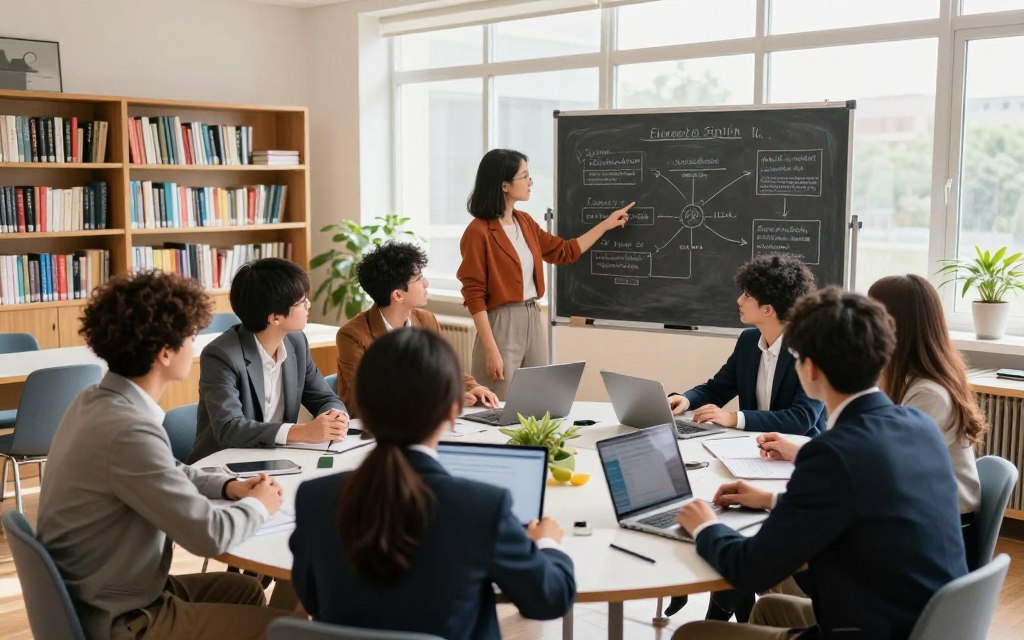
One effective way to apply comparative education is through curriculum comparison activities. Students can examine how the same topic is organized, sequenced, and assessed in different educational settings. This hands-on approach fosters a deeper understanding of the material.
Comparing Teaching Methods to Improve Instruction
Additionally, comparing teaching methods can lead to improved instruction. Teachers might explore:
- Direct instruction
- Inquiry learning
- Collaborative learning
- Project-based learning
- Student-centered instruction
To facilitate this, educators can use comparison charts, case studies, annotated examples, and structured discussions. These tools make similarities and differences visible, enhancing the learning experience.
Classroom inquiries can also focus on comparing an instructional strategy’s goals, required resources, student participation, evidence of learning, and possible limitations. This analysis encourages educators to adapt useful practices rather than copy an entire program or policy without considering local needs and institutional capacity.
“Engaging in comparative research can significantly enhance educational practices.”
Using Comparative Learning to Foster Educational Equity and Inclusion
Understanding how educational systems differ is essential for promoting equity and inclusion in schools. Comparative education can reveal critical insights into access, gender disparities, disability inclusion, and socioeconomic barriers. By examining these factors, we can better understand how marginalized communities are treated within various educational contexts.
It is vital to adapt comparative perspectives to local cultures and conditions. This approach prevents the misapplication of universal recipes that may not fit every context. The field of comparative education also includes gender theory, human rights education, and capabilities approaches. These frameworks help us examine who benefits from education and who remains excluded.
Recognizing Differences in Learning Needs and Contexts
Comparing student experiences can highlight unequal access to technology, qualified teachers, and advanced courses. Some students may lack support services or safe learning environments. Therefore, educators should not assume that every student shares the same background, language, resources, or learning needs.
Adapting Strategies to Diverse Student Populations
Inclusive strategies should be evaluated to determine whether they improve participation, belonging, achievement, and access for underserved groups. The role of policy, family conditions, community resources, and cultural expectations significantly shapes educational opportunities.
Equity-focused comparative education should amplify student voices. It is crucial to avoid presenting one group or country as a universal model. By recognizing and addressing these challenges, we can work towards a more equitable educational landscape.
| Factor | Impact on Equity |
|---|---|
| Access to Technology | Unequal access can hinder learning opportunities. |
| Qualified Teachers | Availability affects the quality of education. |
| Advanced Courses | Limited access can restrict student potential. |
| Support Services | Essential for students with diverse needs. |
| Safe Learning Environments | Critical for student well-being and engagement. |
“Education is the most powerful weapon which you can use to change the world.”
Leveraging Technology to Support Comparative Learning
Technology plays a pivotal role in enhancing how we understand and compare educational systems. Digital tools make it easier to collect, organize, visualize, and discuss comparative information. These advancements are crucial for students and educators alike, as they provide access to international datasets and benchmarking reports.
These resources support comparisons of achievement, enrollment, instructional time, education spending, and learning contexts. However, users must carefully review definitions and methods before drawing conclusions. This diligence ensures that the information used is accurate and relevant.
Various digital education platforms and collaborative tools can facilitate effective comparative learning. For instance, teachers can use:
- Comparison tables for organizing complex information.
- Digital timelines to illustrate historical educational changes.
- Concept maps that visually connect ideas.
- Shared documents for collaborative research.
- Interactive dashboards to analyze data effectively.
Students can also leverage spreadsheets or visualization tools to compare:
- Enrollment figures across different countries.
- Assessment results from various educational systems.
- Curriculum structures and instructional time.
It’s essential for learners to evaluate the source, date, sample, definitions, and collection methods behind any digital information they use. This critical evaluation helps maintain the quality of their comparative analysis.
Discussion platforms and collaborative presentations allow students to compare interpretations instead of merely focusing on numerical results. This approach enriches their understanding and encourages deeper engagement with the material.
While technology expands access to global examples, it does not eliminate the need for digital literacy, privacy safeguards, and accessibility considerations. Students must develop critical judgment skills to navigate the vast array of information available.
| Digital Tool | Purpose |
|---|---|
| Comparison Tables | Organize complex information for easy analysis. |
| Digital Timelines | Illustrate historical changes in education. |
| Concept Maps | Visualize connections between ideas. |
| Shared Documents | Facilitate collaborative research. |
| Interactive Dashboards | Analyze data effectively. |
“Technology empowers educators and students to engage in more effective comparisons of educational practices.”
Addressing Challenges in Implementing Comparative Learning
Implementing comparative education effectively requires careful consideration of various challenges. Understanding these obstacles is crucial for educators who wish to enhance their teaching practices through comparison.
One major challenge is the risk of policy borrowing. When successful practices from one country are transferred to another without understanding the receiving context, they may fail. Factors such as cultural expectations, economic resources, and teacher preparation can significantly impact implementation.
Additionally, differences in language, governance, and policy resistance can affect how educational reforms are received. Scholars in the field of comparative education often distinguish between the outcomes of educational transfer and the processes involved in borrowing and lending reforms.
Overcoming Cultural and Contextual Barriers
It is essential to recognize that:
- Treating a successful practice in one country as a universal solution can lead to ineffective results.
- Cultural expectations, language differences, and family involvement may alter the effectiveness of the same strategy in different settings.
- Teacher autonomy and classroom norms can significantly influence outcomes.
Managing Resource and Policy Constraints
Resource constraints also pose significant challenges. Limited funding, connectivity issues, and inadequate staffing can hinder the implementation of comparative education. Furthermore, professional development and data capacity are crucial for successful reforms.
To navigate these challenges, it is advisable to:
- Pilot reforms in select institutions to assess their effectiveness.
- Consult local educators and communities for insights and feedback.
- Revise implementation strategies based on initial findings before expanding policies.
Finally, it is vital to distinguish between genuine weaknesses in a system and differences that reflect varying educational goals or social contexts. By addressing these challenges, educators can foster a more effective implementation of comparative education.
Comparative Learning: Insights from Global Educational Systems
Gaining insights from global educational systems can enhance our understanding of effective teaching practices. Two notable examples are Finland and Japan, each offering unique approaches that can inform educational reform.
Lessons from Finland’s Student-Centered Model
Finland is often celebrated for its student-centered instruction. This model emphasizes teacher professionalism and trust. Teachers are well-prepared and have the autonomy to tailor their teaching methods. Additionally, Finland maintains a balance between formal assessments and classroom learning.
Students in Finland benefit from limited standardized testing, allowing them to engage more deeply with the material. This approach fosters a supportive learning environment that prioritizes student well-being.
Japan’s Emphasis on Discipline and Group Learning
In contrast, Japan’s educational system focuses on discipline and group responsibility. Respect and collaborative learning are central to classroom routines. Students learn to work together, sharing responsibility for their collective success.
By comparing these two systems, students can analyze the goals, teacher roles, and assessment practices in each country. They can also explore family expectations and resource conditions that influence educational outcomes.
It is essential to recognize that copying isolated features from one system to another may not yield the same results. The surrounding educational context and social expectations play a significant role in shaping effectiveness.
Thus, educators should consider which principles from these examples could be adapted locally. They should also reflect on which practices depend on national conditions. This inquiry can lead to a more nuanced understanding of how to implement effective reforms.
Comparative Learning in the United States: Current Perspectives
The United States has much to gain from exploring how other nations approach education. By comparing various aspects such as curriculum, teacher preparation, and assessment methods, the U.S. can enhance its educational practices. The insights drawn from international comparisons can help inform discussions about standards, accountability, and school improvement.
However, the U.S. education system is unique. It lacks a single nationwide certificate of completion for secondary education. This absence makes both centralized and decentralized approaches interesting subjects for analysis. For instance, examining early childhood enrollment and instructional time across different states can reveal significant differences.
When interpreting international assessment results, such as those from PISA and TIMSS, caution is necessary. Economic and social conditions, sampling methods, and definitions can all affect score differences. Therefore, it’s essential to analyze these results carefully to draw meaningful conclusions.
How Comparative Learning Shapes U.S. Educational Practices
Comparative education can inform U.S. conversations about various educational policies. This includes discussions around teacher preparation, career pathways, and assessment methods. By learning from other countries, educators can identify effective practices that may be adapted to local contexts.
Opportunities and Challenges Unique to the U.S. Context
There are ample opportunities to compare state-level practices within the United States. Such comparisons can reveal valuable insights into what works and what doesn’t in different regions. However, challenges persist, including governance across states and districts, unequal resources, and political disagreements.
It’s important to remember that a higher test score does not automatically indicate a better education system. Instead, educators and policymakers should combine international evidence with local data, community priorities, and student experiences. This holistic approach can lead to more effective educational reforms.
| Aspect | U.S. Context | International Context |
|---|---|---|
| Curriculum | Varies by state | More standardized in many countries |
| Teacher Preparation | Decentralized with varied requirements | Often more uniform |
| Assessment | Standardized tests with varying formats | International assessments like PISA |
| Early Childhood Enrollment | Varies widely | Higher enrollment rates in many countries |
| Instructional Time | Inconsistent across states | Generally more consistent |
“Education is the most powerful weapon which you can use to change the world.”
Strategies for Integrating Comparative Learning Into Your Education Practice
Utilizing a comparative approach in education fosters deeper insights among students. By integrating comparative education techniques, educators can enhance their teaching methods and create more engaging learning environments.
To effectively employ these techniques, follow this step-by-step guide:
Step-by-Step Guide to Employing Comparative Learning Techniques
- Define a Focused Question: Start by identifying a specific question, such as how two assessment methods measure learning or how different systems prepare teachers.
- Select Comparable Cases: Choose cases that allow for a meaningful comparison. Establish shared criteria for examining curriculum, instruction, policy, resources, participation, and outcomes.
- Gather Trustworthy Information: Collect reliable data from research studies, official datasets, policy documents, classroom observations, and feedback from students or teachers.
- Interpret Similarities and Differences: Analyze the context of your findings. Identify transferable principles while avoiding the direct copying of programs without adaptation.
- Apply the Selected Strategy: Implement your chosen strategy on a manageable scale. Evaluate the results, invite feedback, and refine your approach over time.
Resources and Supports for Educators and Students
Numerous resources can assist educators and students in their comparative education efforts. Consider the following:
- PISA and TIMSS reports for international assessment data.
- OECD and UNESCO education data for global insights.
- National Center for Education Statistics reports for U.S.-specific information.
- Peer-reviewed comparative education journals for research studies.
- Curriculum documents and school-level data for practical comparisons.
- Professional networks for educators to share experiences and strategies.
Utilizing multiple sources and documenting limitations is crucial for maintaining the integrity of your comparative analysis. By embracing these strategies and resources, educators can effectively integrate comparative education into their practices, ultimately enhancing the learning experience for students.
| Resource | Purpose |
|---|---|
| PISA Reports | Provides data on student performance in reading, math, and science across countries. |
| TIMSS Reports | Focuses on mathematics and science achievement in different educational systems. |
| OECD Education Data | Offers insights into educational policies and practices worldwide. |
| UNESCO Education Data | Supports understanding of global education trends and challenges. |
| National Center for Education Statistics | Provides comprehensive data on U.S. education systems and outcomes. |
Conclusion: Embracing Comparative Learning to Deepen Understanding and Drive Educational Improvement
Gaining perspective on educational approaches from various nations is crucial for advancing our understanding of effective practices. Comparative education helps us see what learning looks like across different settings and identifies what supports effective education.
This field serves multiple purposes, including describing systems, supporting institutional development, and connecting education with society. To be truly effective, comparisons must be evidence-based, culturally responsive, and tailored to local needs rather than simply ranking systems.
- Comparative learning is a practical way to test understanding and clarify difficult concepts.
- This approach extends to curricula, teaching methods, policies, and educational outcomes.
- Useful comparisons require clear criteria, reliable research, and respect for differences among communities.
- Examples from Finland, Japan, and the United States should inspire thoughtful questions rather than direct copying of policies.
We invite educators and students to engage in meaningful comparisons, learn from diverse systems, and utilize evidence to drive educational improvement.