

advertisement
One identity belongs to two girls who claim it very differently. Hailey Kaplan keeps her heiress background private. Candice Mathis, however, pretends to be Hailey.
🟢 True Heiress vs. Fake Queen Bee
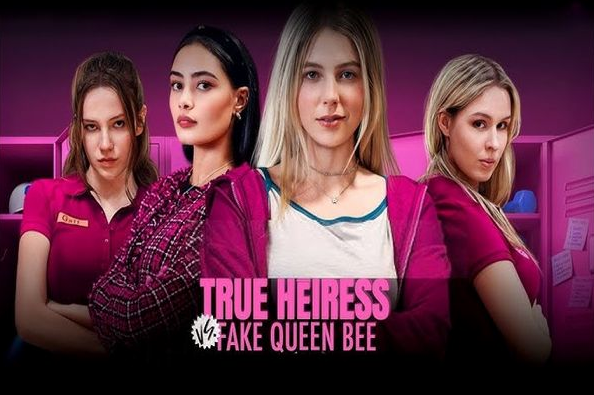
Their fight turns a school rivalry into a test of trust, reputation, and belonging.
This guide looks at how wealth and social status shape their clash. It does not assume how the story ends.
Can stealing an identity bring lasting power? Or will the truth take that power away?
What Is True Heiress vs. Fake Queen Bee About?
In true heiress vs. fake queen bee, Hailey Kaplan’s identity and background are key to Candice Mathis’s deception.
The school setting turns a personal lie into a public fight over status and trust.
The premise behind the identity swap
The identity swap makes Hailey’s name and story central to Candice’s plan.
As Candice takes Hailey’s place, classmates must choose who deserves to belong and whose story is true.
How wealth, belonging, and deception drive the story
Hailey’s inherited wealth gives her social power, even if she does not show it.
Candice’s claim promises access and attention but risks her friendships and reputation.
The story ties the wish to fit in with the perks of wealth and status.
Meet Hailey Kaplan: The Real Heiress Hiding Her Identity
Hailey Kaplan is the real heiress, but her classmates may not know what her family can afford. Her hidden status shapes how others read her choices and relationships.
The story invites readers to think about what she wants to protect by keeping her private identity hidden.

Why Hailey Keeps Her Inherited Wealth Private
Hailey’s inherited wealth could change how people treat her. She might want friends who like her for who she is, not her money.
The story suggests this but does not confirm it as her only reason. Keeping her background quiet may help her avoid unfair attention or assumptions.
Readers can consider her words and choices before deciding why she stays private.
Clues That Reveal Her Background and Motivations
Small details help readers piece together Hailey’s past. See how she reacts to talk about money, status, and trust.
Her behavior might show more than what she says about her family. Her hidden identity can make normal moments feel uncertain.
Careful reading of her reactions helps separate clear facts from guesses about her reasons.
| Clue to watch | What it may reveal |
|---|---|
| Her response to money or status | How she feels about being judged by wealth |
| Her choices in friendships | Whether trust matters more than social rank |
| Details about her past | How the story connects her family history to her identity |
Candice Mathis: The Girl Pretending to Be Someone She’s Not
Candice Mathis uses the name Hailey to fit in better at school. This choice might help her get noticed. Classmates may believe her story without checking it first.
What Candice gains by claiming Hailey’s identity
Taking on another identity can open new doors. Candice may get attention and power if others think she is wealthy. The story shows her claim, but others’ trust is based on assumptions.
How her performance shapes the social circle around her
Her polished look can change how others treat her. Classmates may trust or invite her before knowing the truth. This gives Candice social power based on what she shows.
How a Simple School Transfer Turns Into a Nightmare
A school transfer can give a student room to shape a new identity. For Hailey and Candice, that chance turns into strain. One girl’s claims blur the truth about who she is.
When a fresh start becomes an identity crisis
At a new school, classmates often know little about a student’s past. They may judge her by clothes, confidence, or the story she tells. Candice uses that gap to present herself as Hailey.
The real Hailey must decide what to reveal. The deception turns a fresh start into an identity crisis. Both girls face pressure to match others’ expectations.
How rumors and first impressions escalate the conflict
First impressions can harden into beliefs when students lack facts. A comment about family wealth may seem convincing but does not prove identity. Rumors spread as guesses passed along as evidence.
This talk raises the stakes for both girls. Hailey may seem evasive when protecting her privacy. Candice gains support from stories that fit school expectations.
| What classmates notice | What it may suggest | What it cannot prove |
|---|---|---|
| Confident claims about family status | A polished social image | Whether the claims are true |
| Hailey’s reluctance to discuss her past | Privacy or discomfort | That she is hiding a false identity |
| Stories repeated across social groups | Rumors are gaining reach | Reliable evidence about either girl |
True Heiress vs. Fake Queen Bee: How to Spot the Difference
In the true heiress vs. fake queen bee, the contrast is about more than clothes or confidence. Readers can compare each girl’s claims with details the story confirms. The focus is on what each girl says, does, and knows about her past.
Compare personal history with the image each girl presents
Hailey’s private background and Candice’s public image deserve close attention. A polished look may suggest status. But this cannot prove wealth or identity.
Identity verification comes from matching claims to reliable details in the story.
Look for inconsistencies in status signaling and relationships
Status signaling shapes how classmates respond. But steady relationships can reveal more than popularity. Readers should notice if each girl’s actions fit her image. Also, check if her personal knowledge feels true.
Inherited Wealth, Status Signaling, and the Price of Belonging
In Hailey and Candice’s story, wealth can open many doors. But it cannot promise trust.
The gap between a person’s background and the image she shows raises questions. It makes us wonder about access, influence, and belonging.
How family wealth affects access and influence
Inherited wealth may bring access to better schools and influential contacts. It often means more choices.
These advantages shape who gets heard and whose claims seem credible. But money does not earn loyalty or acceptance alone.
Why appearances can matter in elite social circles
Status signaling uses visible cues and social behaviors to suggest rank. In elite circles, style, confidence, and connections affect attention.
This pressure tempts some to imitate privilege. But a false identity risks losing trust when the truth comes out.
Social Hierarchy in Elite Social Circles
At school, popularity can decide who gets heard or included. This social ranking often depends on reputation, not just facts. In elite circles, status is often treated like real influence.
How popularity and perceived status shape the school’s pecking order
Popular students often draw attention and gain the benefit of the doubt. Their friends help set the mood for their group. This affects who feels welcome and whose story seems true.
How insiders and outsiders respond to the identity deception
Insiders may know old friendships and notice when facts don’t match Candice’s story. Outsiders judge her by what they see, like confidence or social reach. Her tale can shake up friendships. Classmates must then choose between loyalty, evidence, and supporting a powerful peer.
Rivalry Dynamics: What Happens When the Truth Comes Out
When Hailey’s identity is challenged, the conflict grows beyond just status. Hailey and Candice must shape how classmates read the clues. The rivalry changes with each new claim.
Clear evidence is more important than rumor. But both girls may feel pressure to defend their story.
How Hailey and Candice compete for control of the narrative
Their competing stories make classmates question what they saw and heard. Personal accounts alone are not enough proof.
Friends may check records, past behavior, and details before deciding whom to trust.
How friends and classmates influence the rivalry’s outcome
Classmates can share useful evidence, stay silent, or pick sides. Each choice changes the support around Hailey and Candice.
When doubt about truth arises, social trust is hard to rebuild. This happens even when facts become clearer.
Impostor Syndrome and Character Archetypes in the Story
Hailey and Candice represent familiar character types, but these roles do not explain all their choices. Their views on belonging and self-worth create tension. This tension makes the story more engaging.
The hidden heiress and the self-made queen bee
Hailey is a hidden heiress who keeps her family’s background secret. Her silence may protect her from unwanted attention. However, this also makes acceptance feel uncertain.
Candice creates a queen bee image to gain status. She shapes how others see her through this persona.
How insecurity, ambition, and identity shape each character
Impostor syndrome means feeling undeserving of success or acceptance. This may explain self-doubt but differs from Candice’s intentional identity deception.
Insecurity and ambition influence both girls. Yet, these feelings do not fully describe either character.
| Story element | Hailey | Candice |
|---|---|---|
| Public image | Keeps her wealth private | Presents herself as someone else |
| Possible pressure | Finding genuine acceptance | Holding on to status |
| Key tension | Whether privacy limits trust | Whether ambition deepens deception |
Conclusion
True heiress vs. fake queen bee turns on a concealed inheritance and an assumed identity. Hailey’s private wealth and Candice’s public performance show how social status shapes first impressions.
Social status cannot prove someone’s true history. As questions grow, consistent details and trustworthy relationships guide better than rumors or popularity.
The search for belonging reveals what each girl values. It also shows what she risks to keep her place.
The story’s central tension remains: can a stolen identity support the life built around it once the truth appears? For Hailey and Candice, the answer depends on who earns trust when appearances no longer hold.